

MAke Difference Between CBD and THC in 2025
-
 By dann paxton
 - Posted on
- 0 comments
 By
By Difference Between CBD and THC: Effects, Legality, and Uses in the UK
Introduction: Why Understanding CBD vs THC Matters
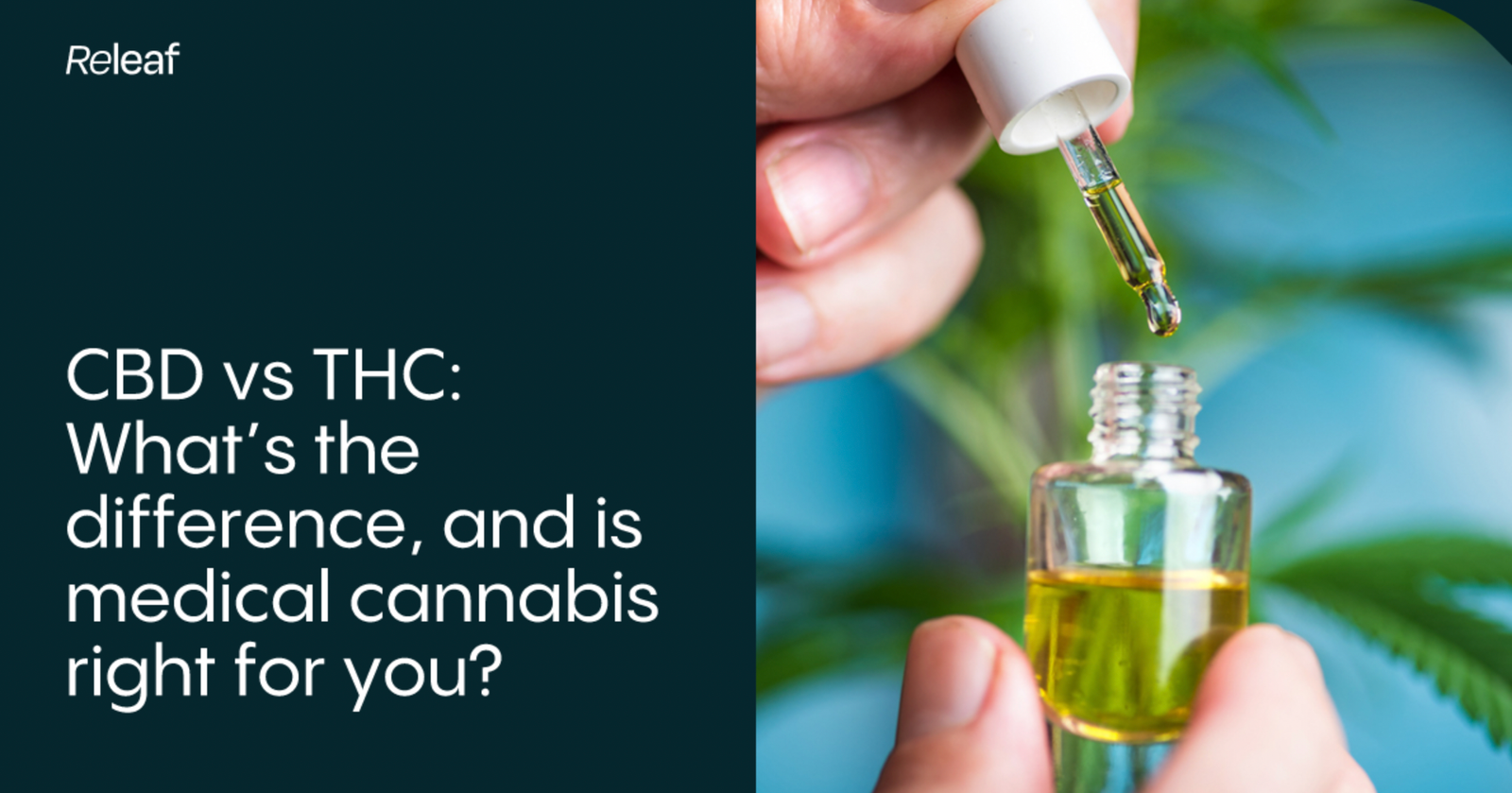
Cannabis has taken the wellness world by storm, and two compounds keep showing up in conversations: CBD (cannabidiol) and THC (tetrahydrocannabinol). They both come from the cannabis plant, but their effects on the body and mind are worlds apart.
In the United Kingdom, interest in CBD and THC is skyrocketing—especially as more people explore natural alternatives for anxiety, pain relief, and better sleep. But confusion around these two compounds persists:
-
Is CBD legal in the UK?
-
Does THC get you high?
-
Which one is better for pain, anxiety, or inflammation?
This article will answer all these questions and more, giving you a complete guide to CBD vs THC, their differences, uses, and UK laws.
What Are CBD and THC?
Both CBD and THC are cannabinoids, natural compounds found in the Cannabis sativa plant. Despite their shared origin, they act differently in the body because of how they interact with the endocannabinoid system (ECS).
-
CBD (Cannabidiol)
CBD is non-intoxicating, meaning it doesn’t produce a “high.” It interacts indirectly with the ECS to promote balance in mood, pain perception, and inflammation. -
THC (Tetrahydrocannabinol)
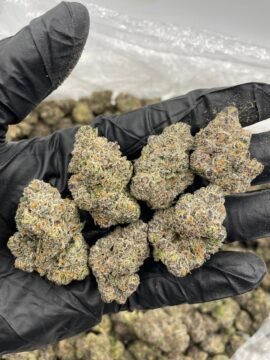
THC is the primary psychoactive compound in cannabis. It binds directly to CB1 receptors in the brain, leading to the euphoric “high” that recreational cannabis users seek.
Chemical Structure
Interestingly, CBD and THC share a similar molecular structure—21 carbon atoms, 30 hydrogen atoms, and 2 oxygen atoms—but arranged differently, causing drastically different effects.
How CBD and THC Work in the Body
Both compounds interact with the endocannabinoid system (ECS), a network of receptors that regulates mood, sleep, pain, and immune function.
-
THC binds to CB1 receptors in the brain, producing euphoric and psychoactive effects.
-
CBD doesn’t bind strongly to CB1 receptors. Instead, it modulates receptor activity, reducing anxiety and inflammation without causing a high.
CBD vs THC: Effects on Anxiety, Pain, and Health
Let’s break down what people most want to know: Which compound works best for different conditions? Based on scientific research and user experience, here’s how they compare:
1. CBD vs THC for Anxiety
-
CBD: Studies suggest CBD has strong anxiolytic (anxiety-reducing) effects, helping with generalised anxiety disorder (GAD) and social anxiety.
-
THC: While some report relaxation at low doses, high THC doses often increase anxiety or paranoia.
- Winner: CBD for anxiety relief in the UK.
2. CBD vs THC for Pain Relief
Both CBD and THC show promise in pain management, but in different ways:
-
CBD reduces inflammation, making it ideal for chronic pain and arthritis.
-
THC influences pain perception, offering relief for neuropathic pain and cancer-related pain.
- Best Option: A combination of CBD and THC (where legal) often provides superior pain relief.
3. CBD vs THC for Sleep
-
CBD promotes calmness, reducing anxiety that disrupts sleep.
-
THC can make you sleepy initially but may disrupt REM sleep with long-term use.
- Best Choice: CBD for long-term sleep quality.
4. CBD vs THC for Inflammation
CBD shines as an anti-inflammatory agent, useful for arthritis, autoimmune conditions, and sports recovery. THC also has anti-inflammatory properties but comes with psychoactive effects.
- Winner: CBD for inflammation.
5. CBD vs THC for Depression
CBD interacts with serotonin receptors, offering mood-enhancing benefits without intoxication. THC might provide a short-term mood lift but may worsen depression in high doses.
- Best Option: CBD for mood support.
Is CBD Legal in the UK?
Yes, CBD is legal in the UK, provided it meets the following conditions:
-
Derived from an industrial hemp strain approved by the EU
-
Contains less than 0.2% THC
-
Sold as a food supplement and not marketed as medicine
Is THC Legal in the UK?
THC is classified as a Class B controlled substance under the Misuse of Drugs Act 1971. Recreational cannabis use is illegal. However, certain medical cannabis prescriptions containing THC are allowed for severe conditions like epilepsy or chemotherapy-induced nausea.
Medical Uses of CBD and THC in the UK
-
CBD: Anxiety, epilepsy (Epidyolex is an approved medication), chronic pain, inflammation
-
THC: Severe pain, multiple sclerosis, chemotherapy-related nausea (only under prescription)
Side Effects of CBD and THC
-
CBD: Dry mouth, fatigue, diarrhea (rare and mild)
-
THC: Euphoria, dizziness, increased heart rate, anxiety, paranoia (especially at high doses)
Which One Should You Choose?
-
For anxiety, inflammation, or general wellness, CBD is the best option.
-
For severe pain or appetite stimulation, THC may be necessary—but only under medical supervision in the UK.
SEO & Keyword Optimization Features
-
Primary Keyword: Difference between CBD and THC
-
Secondary Keywords: CBD vs THC effects, legality, uses UK, CBD vs THC for anxiety/pain/inflammation
-
Long-Tail Questions Addressed:
-
What does CBD vs THC do?
-
Is CBD legal in the UK?
-
CBD vs THC for anxiety, pain, depression
-
CBD vs THC side effects
-
Conclusion
CBD and THC may come from the same plant, but their effects, legal status, and applications in the UK are vastly different. CBD offers therapeutic benefits without the high, making it legal and widely used. THC remains restricted, reserved mainly for medical prescriptions.
If you’re in the UK and considering either compound, CBD is your safest, legal option for anxiety, pain, and inflammation relief.
